


Google’s June 2025 core update has finished – what you need to know
If you’ve noticed your website rankings shifting recently, it might be because of Google’s June 2025 core update. This was the second big update of the year, and it rolled out from 30th June, finishing on 17th July. During that time, some websites saw their rankings go up or fluctuate a bit, and if that’s you, there’s no need to panic.
Updates like this aren’t aimed at punishing anyone. Google is constantly adjusting how it evaluates content so that people searching get the most helpful and relevant results. It’s all part of making sure the best information rises to the top and the sites that are genuinely useful for visitors are rewarded. Some sites benefited, while others experienced declines, and if you’re in the latter category, it doesn’t necessarily mean your site is doing anything wrong. Let’s take a look at why and what it could mean for you.
First things first – what exactly is a Google update?
In simple terms, a Google update is exactly what it sounds like. It’s Google’s way of evaluating and adjusting the way it decides which websites show up at the top of search results. Some updates are small tweaks you might not even notice, but bigger ones, like a core update, can shuffle things around a lot. Google does this to make sure people searching online see the most helpful, relevant, and trustworthy information. They happen a few times a year, typically.
What happened during the June 2025 rollout?
The June 2025 update took just over 16 days to complete, which is, by and large, fairly standard for a core update. Activity picked up a few days after launch, with noticeable shifts beginning around 2nd July. Things remained volatile right up until the rollout completed on 17th July, with one of the most turbulent periods between 11th and 14th July.
During this time, we saw a mix of outcomes. Some websites experienced big improvements in visibility, while others saw steep declines. Interestingly, some sites that were previously hit by older updates, such as the September 2023 helpful content update, began to show partial signs of recovery. This shows how Google’s algorithm is constantly reassessing websites, and that recovery is possible over time, particularly when fresh content or improved signals of trustworthiness have been added since the last update.
Why your rankings may have changed
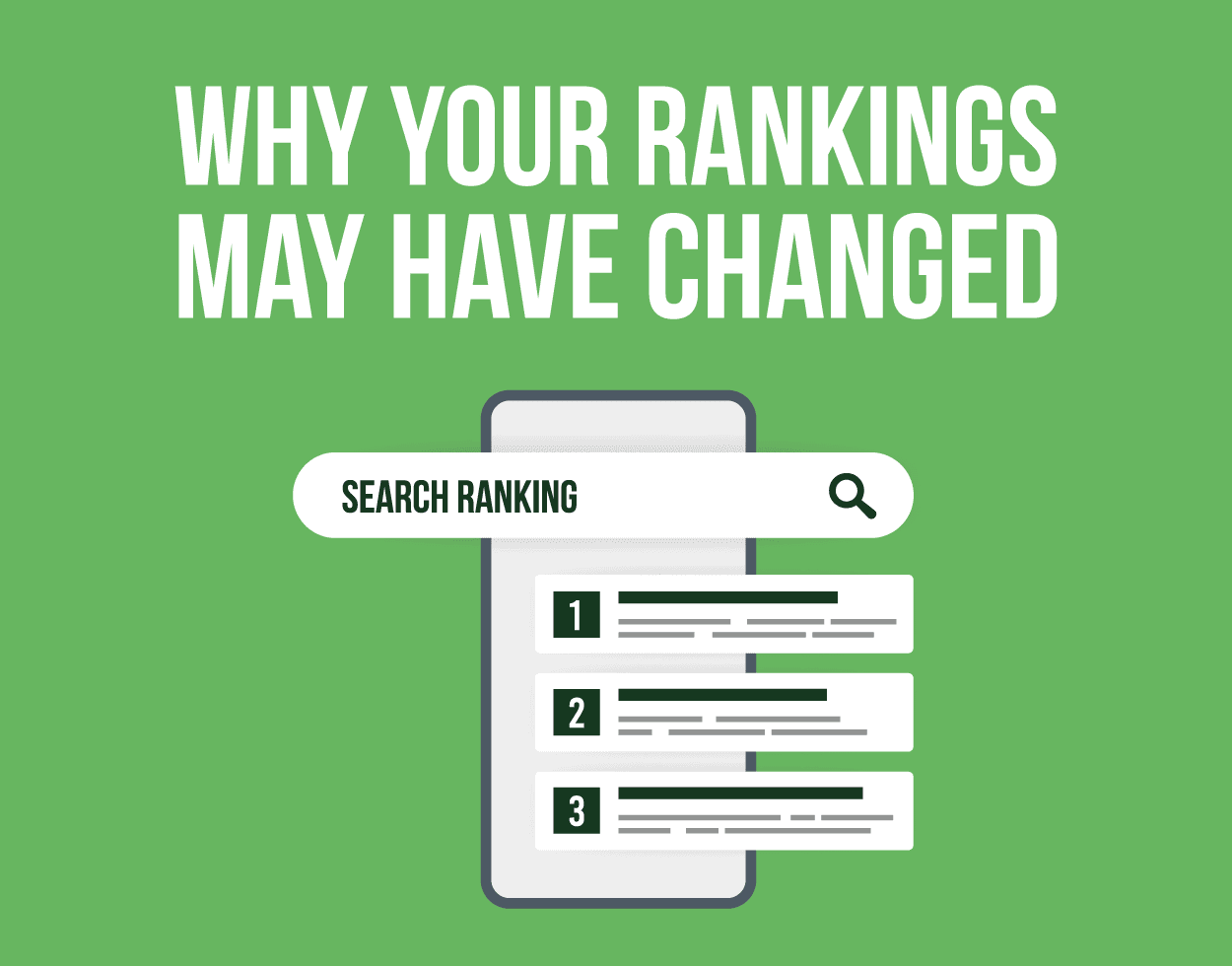
If you’ve noticed a difference in your rankings since mid-July, this core update could be the reason. These changes happen because Google is trying to make sure it shows the very best results for any given search. While some websites naturally benefit, others may slip down if Google now believes other content is a closer match for search intent.
Some of the common reasons a site may see movement include:
- Content not being as comprehensive or up-to-date as competing pages.
- Lack of clear signals of trust, such as author expertise or supporting references.
- Pages that were previously ranking well now being overtaken by fresher, more detailed, or more relevant content.
The important thing to note is that a rankings drop doesn’t automatically mean there’s anything technically wrong with your site. It simply means that Google’s recalibration has favoured other pages this time around.
What you can do next
Google has been clear that there is no quick fix if your site was negatively impacted. The focus should always be on creating helpful, reliable, people-first content. That means reviewing your pages to make sure they genuinely answer the questions your audience is asking, keeping your information current, and demonstrating why you’re a trustworthy source.
Practical steps you can take in order to improve your rankings include:
- Updating older content to keep it fresh and relevant.
- Adding clear signals of expertise and trust, such as author bios or references.
- Checking whether your content fully answers search queries or if it could be expanded.
- Improving the user experience, making sure your site is easy to navigate and loads quickly.
It’s also important to remember that recovery usually happens over time and often during the next core update. So even if you take steps now, the biggest improvements may only become clear with future algorithm changes.
All in all, you just want to make your website as helpful as it can be for your audience, and in time, you will see your rankings start to improve. There is no quick fix or one-size-fits-all approach; every business will have to keep on top of its website and content to make sure it stays fresh and engaging to keep on top of the search results.
And as always, if you want a hand keeping your content performing at its best, that’s where we come in. At 21Digital, our team of experts in both On-Page and Technical SEO is ready to help improve your rankings and make your website work harder for you. Our services span web design, web development, SEO, Google Ads, digital consultancy, social media marketing, and email marketing. Let’s connect and see how we can help your website climb higher in Google and reach more people. Get in touch with our experts on 01254 660 560 or fill out our contact form and we’ll be in touch!